Cart
0
You may also like
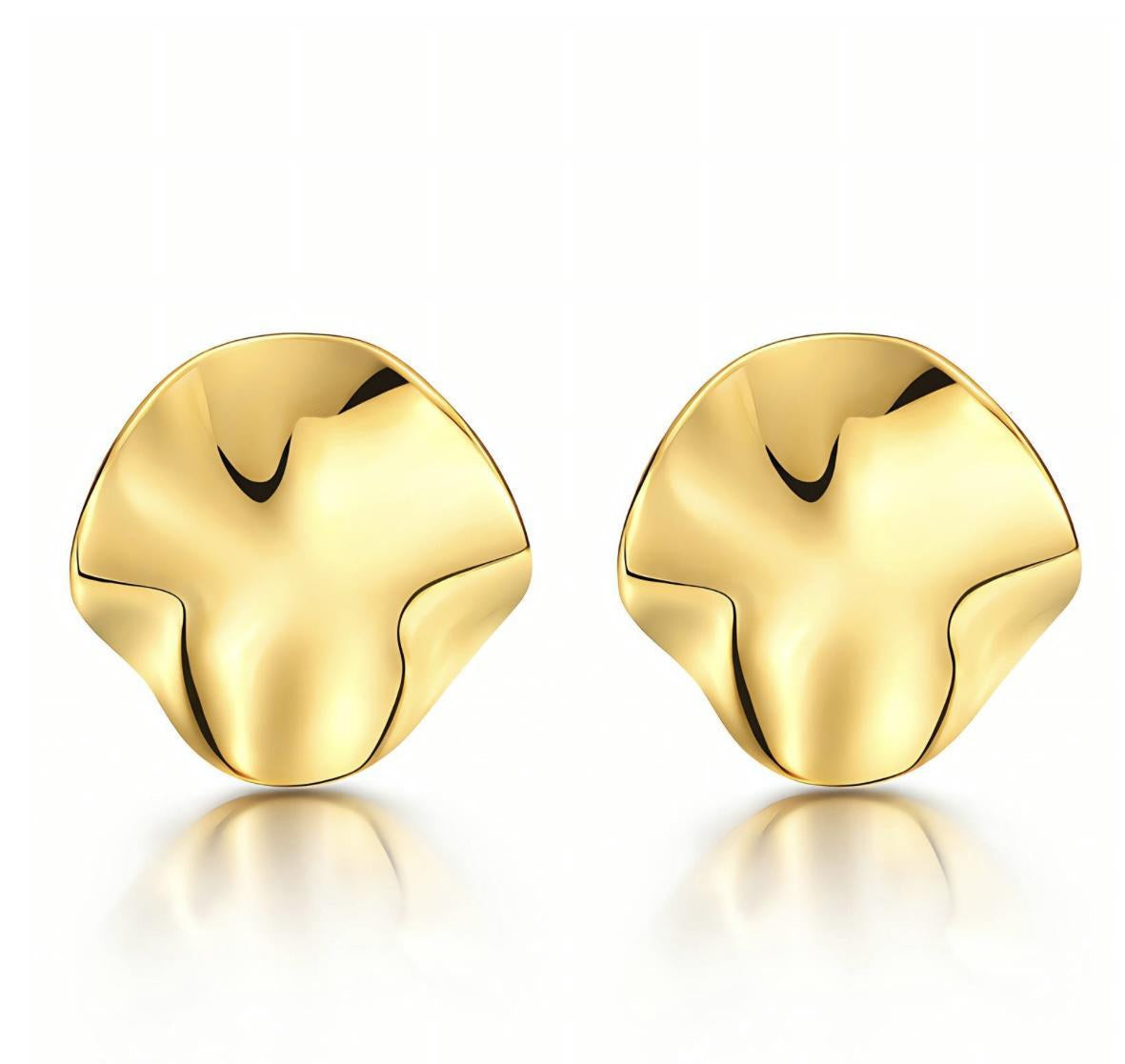

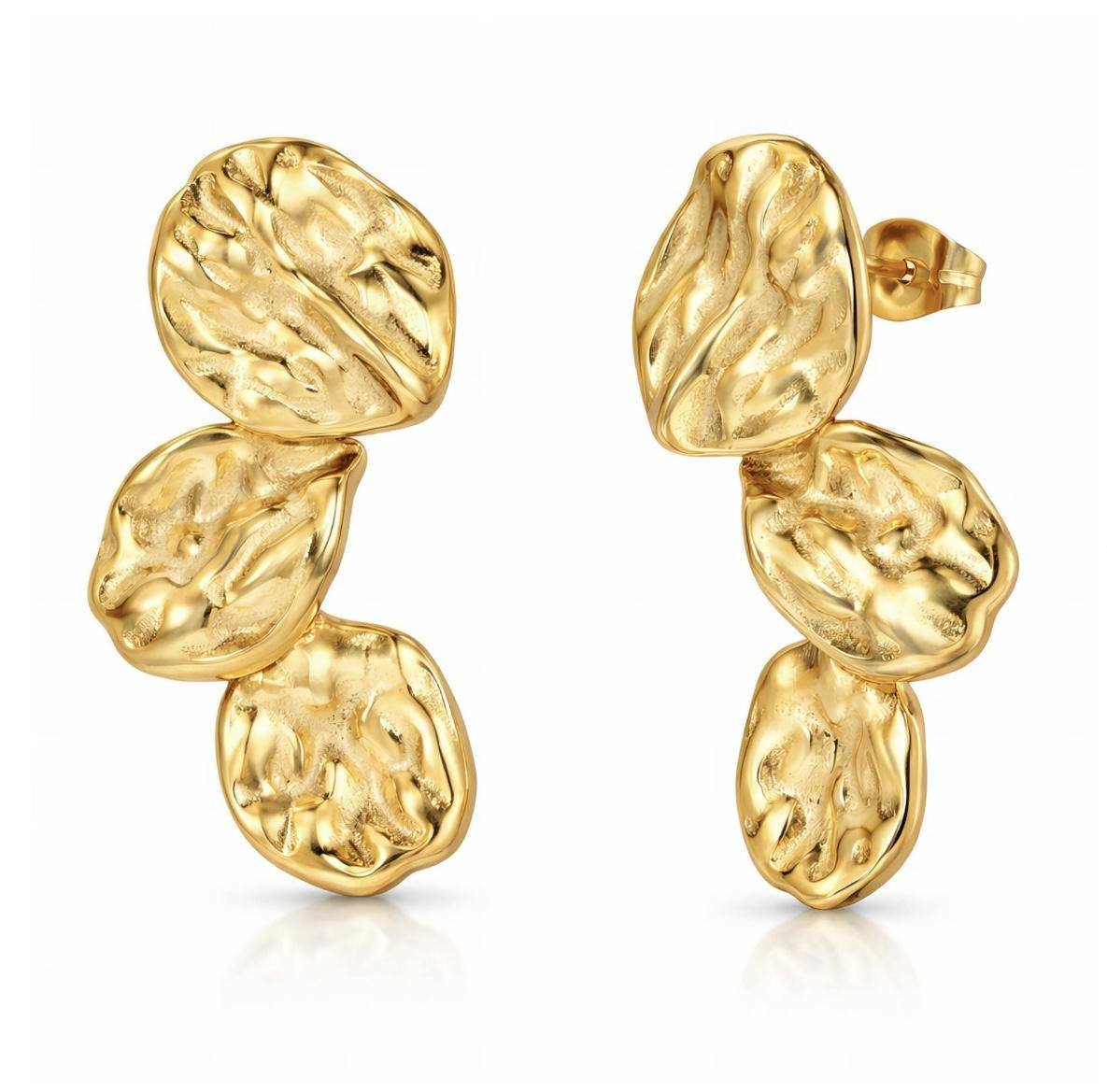
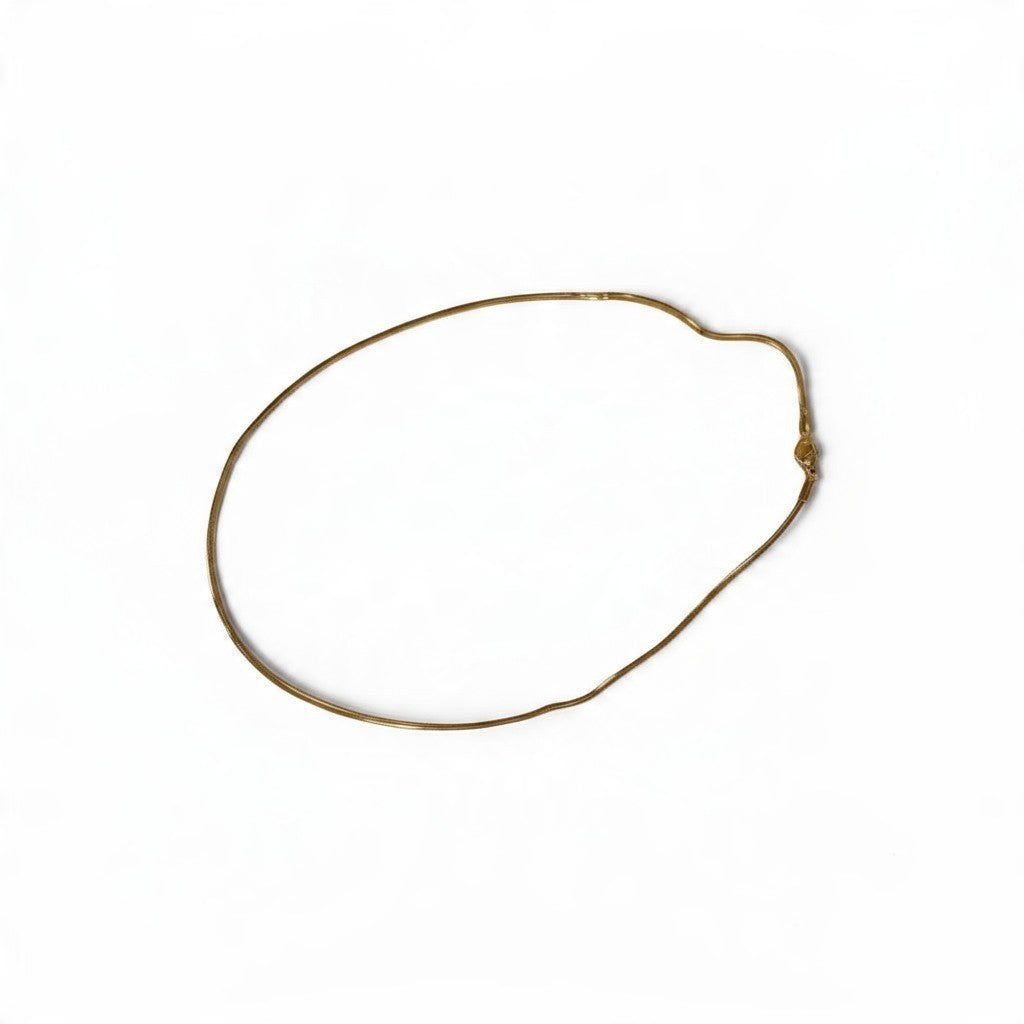


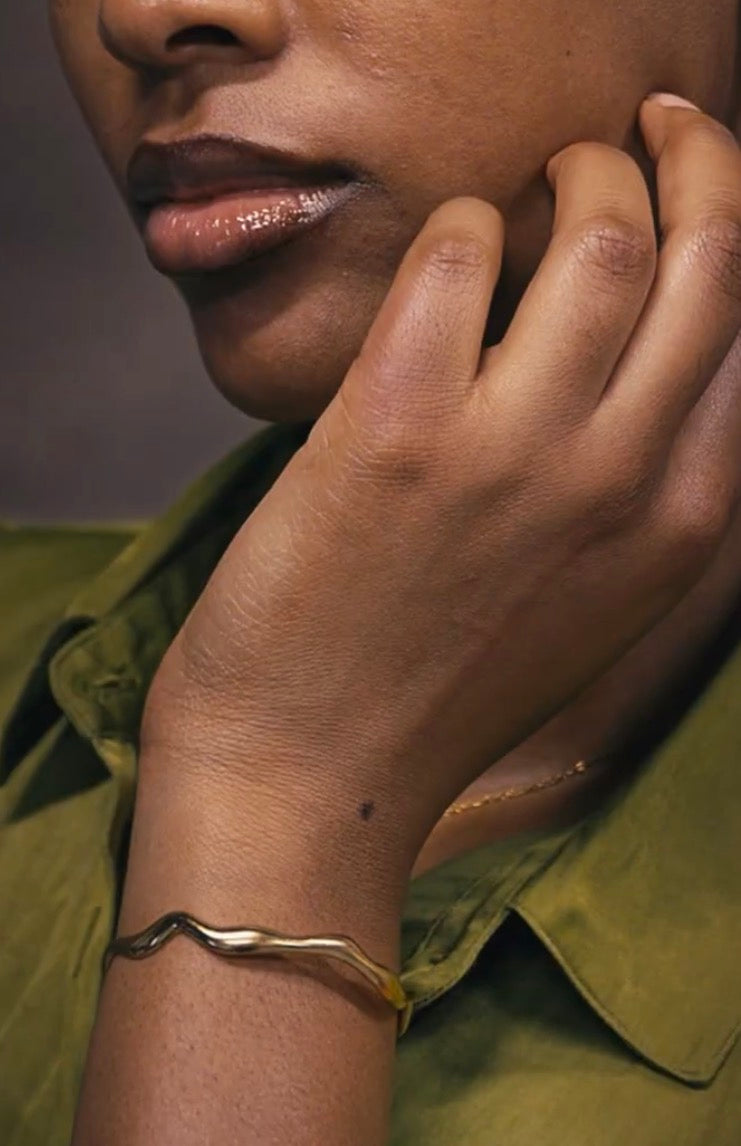
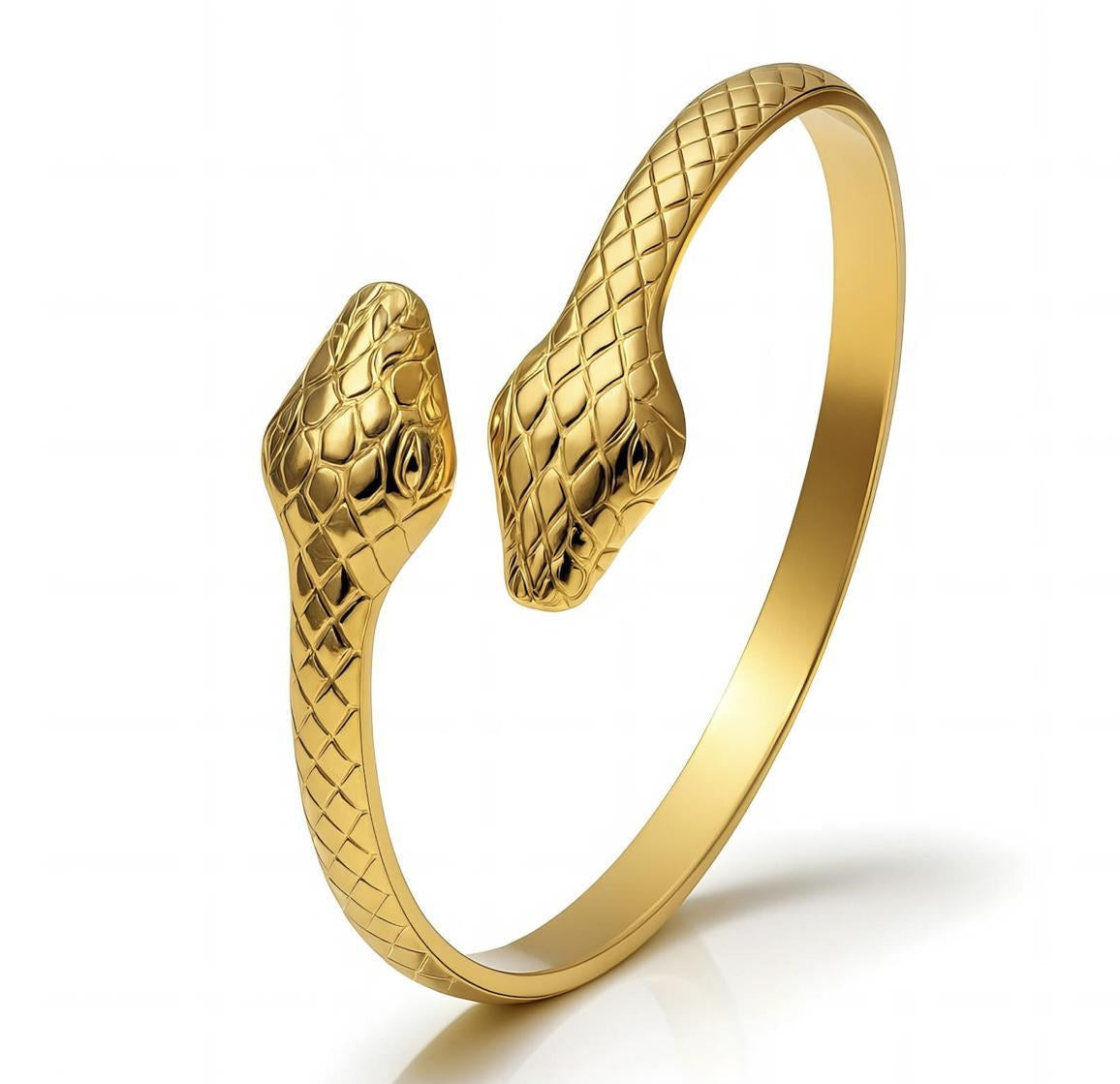
There's a difference between the jewelry you own and the jewelry that becomes you.
Most people have both. The first category lives in a box — gifted pieces, one-occasion purchases, beautiful things that never quite made it into the regular rotation. The second category is smaller. A ring you stopped taking off. A necklace that's been there so long you'd feel its absence on your neck before you remembered you'd left it at home. A pair of earrings you reach for without thinking on a Tuesday morning.
The jewelry in that second category isn't there because it cost more or sparkled brighter. It's there because it passed a test most jewelry never faces: the test of daily life. And what it communicates — to you, and to everyone who sees you — is different in kind from the jewelry that waits in the box.
There is a line of thinking in consumer psychology about the difference between objects we have and objects that become part of who we are. Russell Belk's foundational 1988 paper on the extended self — one of the most-cited works in consumer behaviour research — argued that "we are what we have": that our possessions are not separate from us but extensions of our identities, incorporated into how we understand and present ourselves to the world (source).
Belk was writing about possessions broadly. But the argument maps precisely onto everyday jewelry, and it maps differently onto occasional jewelry. The ring in the box is something you have. The ring you never take off is something you are. The psychological weight of those two categories is entirely different.
What everyday jewelry communicates is not primarily aesthetic. It communicates continuity — this is who I am today, and it's who I was yesterday, and it will be who I am tomorrow. A piece worn daily carries a kind of testimony that occasion jewelry cannot. It says: I chose this, and I keep choosing it.
That choice is visible. Not loudly, not in a way that announces itself — but the people who know you notice what you always wear. They notice when it's missing. The everyday piece becomes shorthand for you.
In 2012, behavioral scientists Hajo Adam and Adam Galinsky published research on what they called enclothed cognition — the phenomenon where clothing and accessories with symbolic meaning don't just signal identity to others but actually shift the wearer's cognitive state and performance (source). A medical coat improved attention and focus when its wearer believed it was a doctor's coat; the identical coat produced no effect when labeled as a painter's coat. The symbolic charge of the object — not the object itself — was what changed things.
Jewelry is among the most symbolically charged objects we wear. Across virtually every human culture, it has marked status, commitment, grief, membership, and transition. That symbolic weight doesn't disappear in contemporary life. It migrates. The meaning of a piece is no longer assigned by tradition — it's built by the wearer, daily, through repetition.
Which is why the everyday pieces carry the most symbolic charge of all. Not because they're the most beautiful or the most valuable. Because they've been worn through everything. Through the good days and the difficult ones, through the meetings and the dinners, through the years. A piece that has accompanied enough of your life absorbs something from it.
This is also why what your everyday jewelry is made of matters more than most jewelry conversations acknowledge. A piece can only accumulate that kind of history if it survives the accumulating. A piece whose plating tarnishes visibly after a year of daily wear doesn't get to become part of your identity — it gets retired before it has the chance. CJ's jewelry is built on a stainless steel base with 18K gold plating — a material decision made precisely because a piece that holds its character can keep accompanying you.
Everyday jewelry doesn't announce itself. That's the point. But it speaks clearly to the people who pay attention.
A single piece worn with everything — the necklace that appears in every photograph, the ring that never comes off — communicates something about a particular kind of confidence. Not the kind that needs variety to express itself, but the quieter kind. The kind that has found its register and holds it. A woman who wears the same piece every day has made a decision and doesn't need to keep revisiting it. That's not limitation. That's clarity.
Layered pieces worn together consistently say something different — that the wearer is actively composing herself, not waiting to be composed. Multiple necklaces, stacked rings — not worn experimentally, but worn as a developed system — signal a visual language that has been refined over time. Each piece is a deliberate element in something larger. The ensemble is the statement.
And in 2026, the brand behind the piece has become part of the language too. The most considered luxury buyers increasingly want to know not just what a piece looks like but where it comes from — who made it, what it represents, what happens because they chose it. A piece from a brand with a genuine origin and a stated purpose carries a story the wearer can tell. That story becomes part of what the everyday piece says.
Not every piece makes it into the daily rotation. Most don't. And the ones that do aren't always the ones you expected when you bought them.
What earns daily wear comes down to two things: design that belongs everywhere, and construction that holds through everything.
Versatility of design doesn't mean minimalism. It means a piece whose visual register isn't locked to a specific context — the statement earring you can only wear with one neckline, the ring that only works with a particular aesthetic. The pieces that earn daily wear are the ones that look at home in a meeting, at dinner, at the grocery store. Not because they're invisible, but because they're fluent. They don't require the wearer to dress around them.
Construction that holds means a piece that doesn't betray you. Plating that tarnishes visibly after six months of daily wear doesn't get to become part of your identity — it gets retired before it has the chance. A piece built on a foundation that ages cleanly is a piece that earns the right to stay. These two things together — design and durability — are the whole argument for being selective about what you let into your daily rotation.
What does wearing jewelry every day say about you?
Everyday jewelry communicates continuity and intentionality. Unlike occasion jewelry, which marks a moment, everyday jewelry marks an ongoing choice — a daily reaffirmation of what you want to carry with you. It signals a certain clarity: you've found your visual language and you're not revising it every morning. To the people who know you, it becomes part of how you're recognized.
Why do some pieces become "everyday jewelry" and others don't?
Usually it comes down to versatility and trust. A piece that goes with everything doesn't require wardrobe calculation — it just goes on. A piece that holds its appearance builds a quiet trust: you reach for it without wondering if it's still presentable. The pieces that make it into daily wear are the ones that stop requiring decisions.
Does what you wear every day say something about your personality?
Research on enclothed cognition suggests clothing and accessories with symbolic meaning don't just signal identity to others but shape how the wearer experiences themselves — confidence, presence, focus. Everyday jewelry, worn long enough to carry genuine personal history, has a symbolic charge that newly acquired pieces don't. It's not just expressing something about you. It's been worn through enough of your story that it has absorbed some of it.
Is everyday jewelry self-expression or just habit?
Both — and that's the point. The pieces that make it into daily wear started as choices and became habits. But habits worth forming. The fact that you reach for something without thinking doesn't mean it has stopped expressing you. It means it has become fluent in your identity, fully integrated rather than still being worked out.
Does the brand or origin of a piece matter for everyday jewelry?
Increasingly, yes. For buyers who are choosing carefully, knowing where a piece comes from adds to what it carries. A brand with a genuine origin, a real founder, and a stated purpose gives the wearer a story to connect to beyond the object itself — a reason for the choice that extends past aesthetics and into values.
The jewelry you wear every day is not the most expensive thing in your collection. It's the most personal.
Expense is a number. The everyday piece is something else — a small, continuous declaration. It says: this is who I am choosing to be today. Not for an occasion. Not for an audience. Just for the Tuesday morning, just for the life I'm actually living.
If you want to know something true about yourself, look at the pieces you always reach for. Not the ones in the box. The ones that are already on you.
And if there isn't a piece that belongs there yet — one you'd reach for every day without thinking about it — that's worth paying attention to too.
Explore Cameroon's Jewels at cameroonjewels.org
Russell W. Belk, "Possessions and the Extended Self," Journal of Consumer Research, 1988: JSTOR
Hajo Adam & Adam Galinsky, "Enclothed Cognition," Journal of Experimental Social Psychology, 2012: DOI link